-
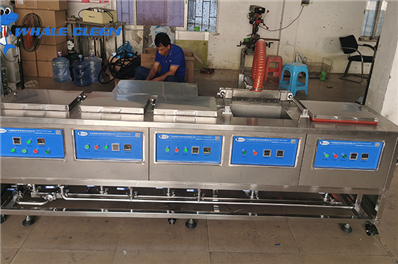 Understanding Ultrasonic Cleaning Machine Frequencies: Optimizing Cleaning Efficiency
Ultrasonic cleaning machines operate by generating high-frequency sound waves through a transducer known as an ultrasonic transducer. These sound waves produce millions of microscopic bubbles in the cleaning solution through a process called cavitation. W
-
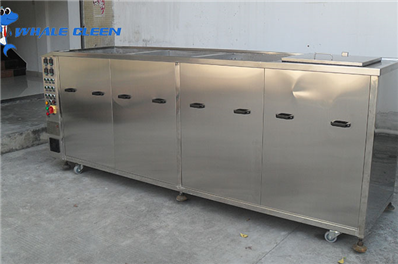 Ultrasonic Cleaning Technology: Elevating Sheet Metal Appearance and Durability
Cleaning sheet metal is a crucial step in maintaining its appearance and durability. Utilizing an ultrasonic cleaning machine proves to be an efficient method for removing rust, particles, and oil stains from the surface of metal sheeting. This process si
-
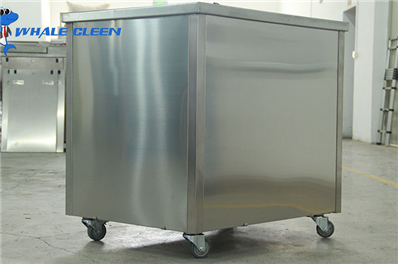 Material Damage in Ultrasonic Cleaning Equipment: Causes and Mitigation Strategies
Ultrasonic cleaning equipment is a type of device that uses the power of microbubble explosions generated by ultrasonic waves to achieve cleaning purposes. During the cleaning process, factors such as theenergy densityofultrasonic wavesand the physical an
-
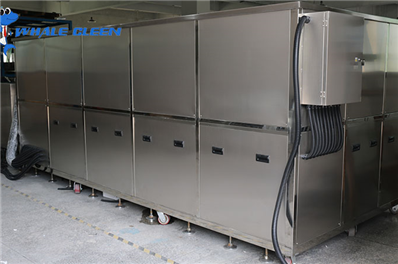 Ensuring Safety and Reliability of Objects in Ultrasonic Cleaning
The safety and reliability of objects after ultrasonic cleaning are crucial considerations in various industries. Ultrasonic cleaning machines employ several methods to ensure the safety and reliability of objects after the cleaning process. These methods
-
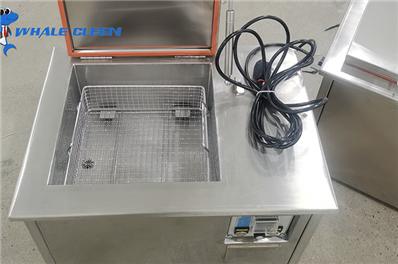 The Relationship between Cleaning Time and Cleaning Effectiveness of Ultrasonic Cleaning Machines
Ultrasonic cleaning machines use high-frequency sound waves to create microscopic cavitation bubbles in a cleaning solution, which then implode to release intense energy that effectively removes dirt, grime, and other contaminants from various surfaces. T
-
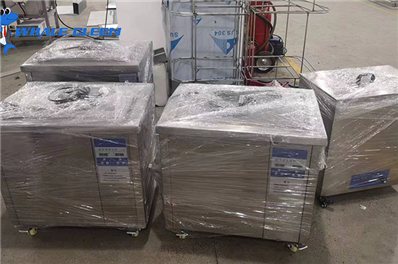 Ultrasonic Cleaning Machines for PCBs: Applications and Methods to Improve Cleaning Efficiency
Ultrasonic cleaning machines have been widely used in the electronics industry for cleaning printed circuit boards (PCBs) due to their ability to remove dirt, grease, and other contaminants from delicate surfaces. However, to achieve optimal cleaning resu
-
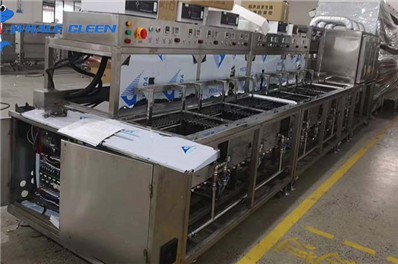 How to clean titanium alloy materials with ultrasonic cleaning machine?
Ultrasonic cleaning machines are widely used in industrial cleaning due to their high cleaning efficiency and low cost. When it comes to cleaning titanium alloy materials, ultrasonic cleaning machines are also a good choice. The cleaning process involves
-
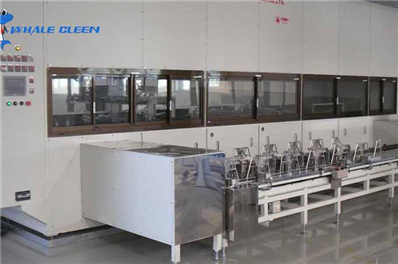 Same Ultrasonic Cleaning, Why Are Some Aerospace Fastener Yield Rates So Much Higher?
In aerospace manufacturing, few quality metrics are as unforgiving as fastener cleanliness. A single micro-fastener — a titanium alloy bolt, a high-strength steel screw, a threaded insert — can carry cutting fluids, lapping compounds, or microscopic metal
-
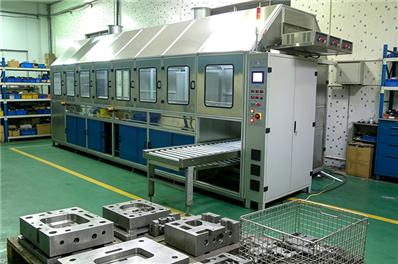 No Harsh Chemicals? How to Achieve Micron-Level Cleanliness for Nickel-Plated Substrates
You've dialed in the nickel plating bath chemistry. The temperature is right, the current density is optimized, and the dwell time is precisely controlled. Yet the plating still blisters. The cross-hatch test fails. The adhesion just isn't there.T
-
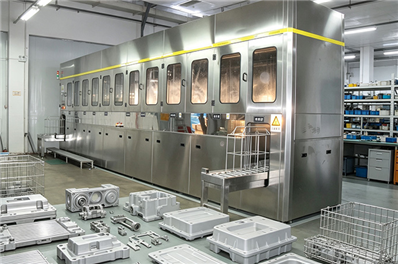 How Many Types of Electroplating Hardware Blanks Can One Ultrasonic Cleaning Machine Handle?
Walk into any hardware electroplating facility, and you will see a staggering variety of workpieces moving through the production line. Stamped brackets, machined housings, threaded fasteners, die-cast components, precision turned parts—each with its own
-
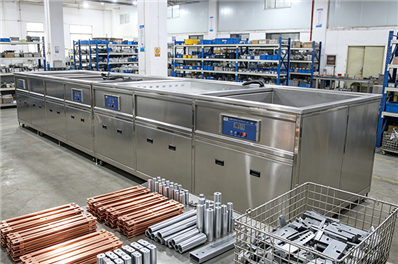 Automotive Parts Cleaning Equipment Manufacturer: Selecting the Right Ultrasonic Cleaning Partner
In the automotive industry, from engine components and transmission parts to braking systems and chassis elements, the cleanliness of parts is directly linked to performance, reliability, and safety. Manufacturing processes like machining, grinding, and s
-
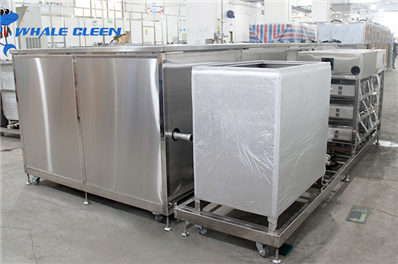 The Same Circuit Board, Different Results: Why Leading Electronics Manufacturers Are Switching to Industrial Ultrasonic Automatic Cleaning Machines
Look at the two PCBs. The first was cleaned with a manual brush and solvent dip. The second came from a fully automated ultrasonic cleaning line. To the naked eye, they look identical—solder joints shining, surfaces spotless, ready for assembly. But un